November 9th, 2025
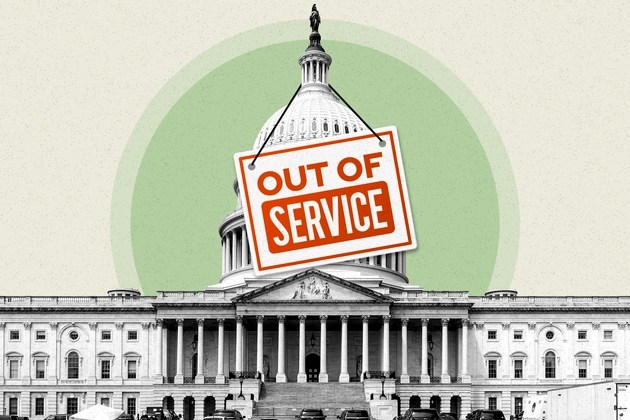
The government has never been more fractured than it is right now. What started as a dispute over health care has become an ever expanding rift between the Democrats and Republicans.
The government officially shut down on October 1st due to their failure to pass a spending bill — outlined in by the Congress’s power of the purse. While the Republicans voted to pass the new spending bill, the democrats held out and rallied for changes, thereby preventing a bill to be passed due to a failure to reach the 60 votes needed. The Democrats specifically wanted the bill to include an extension to the Affordable Care Act (ACA) which is set to expire this year. Out of the many benefits to healthcare provided by the ACA, the most important was the expanded Medicaid Insurance for millions of Americans who are in 138% of the Federal Poverty level.
The effects of the Government shutdown
Since the start of the Government Shutdown, all non-essential government employees have been forced to work without pay. These one million Americans now have to figure out how to live with a 0$ paycheck. Airports nationwide have been affected by this development; tens of thousands of flights have been delayed due to understaffed air traffic control posts.
The most impactful consequence of the government shutdown is the loss of SNAP Benefits. SNAP or the Supplemental Nutrition Assistance Program provides food stamps to over 40 million Americans. Thousands of food pantries nationwide are now at their breaking point due to the massive influx of citizens who can no longer rely on these SNAP benefits.
Unpaid work and the loss of SNAP benefits may have been the most publicized consequences of the shutdown, but there are other effects as well:
- According to the Congressional Budget Office, the Government shutdown will cost the country anywhere from 7 to 14 Billion dollars.
- Most national parks are either closed or without any working staff.
- The Smithsonian museums are closed.
- Government contractors are also working without pay.
The White House response to the Government Shutdown
A week into the shutdown, a federal judge blocked the white house from laying off thousands of non-essential employees who were already without pay. Trying to win a piece of the battle, the Trump administration has openly stated that backpay will not be distributed to government employees affected by the shutdown. This move to not compensate government workers has angered multiple top Democrats in congress.
On November 7th, the Supreme Court allowed the Trump administration to withhold emergency funding to SNAP benefits, overruling a previous federal court ruling that said the opposite.
Where we find ourselves today
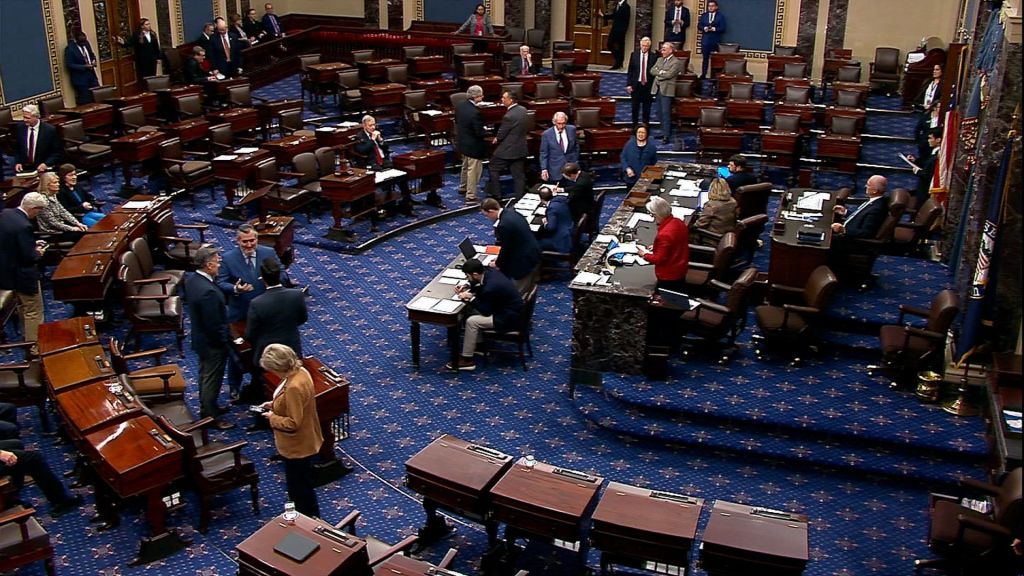
The Senate has now voted for a new spending bill 14 times, failing to reach the 60 vote consensus on all of them. But as we sail by the previous record for longest government shutdown, the end seems to be in sight. Deep into the night of November 9th, a group of democratic senators finally broke through the wall. On the 15th attempt, the U.S. The Senate voted 60 to 40 in favor of the new spending bill. Within the coming days, this new bill will be brought to the House of Representatives and then to President Trump’s desk for an official signature.
In the end, the Democrats did not get what they held out for. Though this spending bill, authorizing government spending until February of 2026, undoes the layoff of thousands of government employees, it does not include anything surrounding the Affordable Care Act — what the Democrats originally stressed as a non starter.
This shutdown has made one thing clear: politicians are so stuck on not losing to the other side that they let the government shutdown. They were willing to put many Americans in a state of financial and nutritional strain just to prove their point. This most recent debacle proves that polarization between the two parties continues to have negative consequences on Americans.
 The New York Unity Project
Leave a comment